
No evidence of successful foreign meddling in 2024 election, spy agencies found
U.S. intelligence officials found no evidence that any foreign adversary successfully interfered in the 2024 presidential election, according to multiple sources familiar with the findings of a classified assessment.
The report, which was completed last year, also concluded major rivals like Russia, Iran and China each ran influence campaigns to various degrees, they said. The sources spoke on the condition of anonymity because they were not authorized to discuss the classified information.
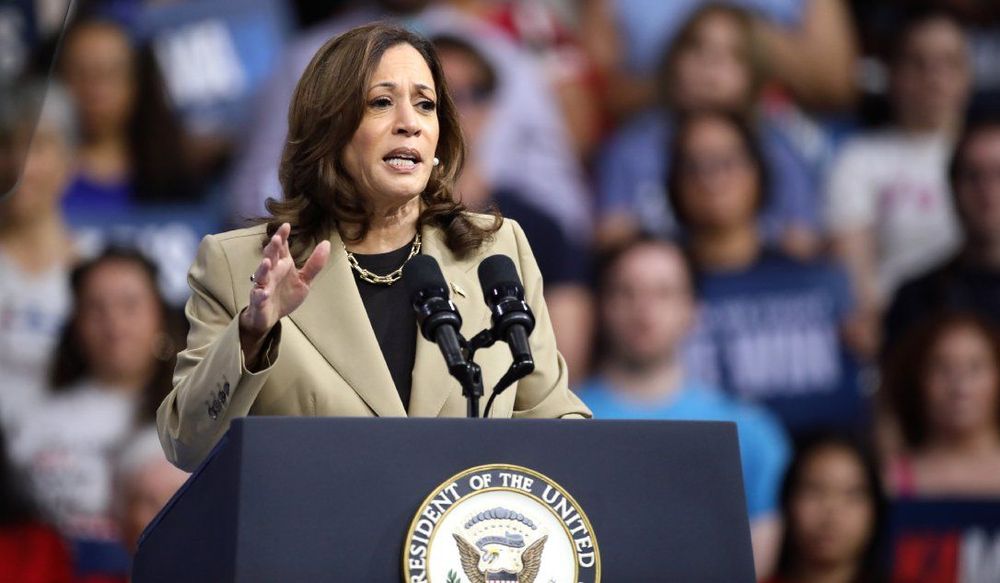
Moscow's influence efforts were the most significant and sought to boost then-former President Donald Trump and undercut Vice President Kamala Harris, his Democratic rival. Intelligence agencies warned about Russia’s influence campaign in the lead-up to the election. Beijing also used its influence capacity to target specific races, the latest report found.
The assessment’s conclusions are consistent with those of similar congressionally-mandated examinations conducted by U.S. spy agencies following the 2020 and 2022 elections. Public versions of those studies showed that foreign actors had foregone technically daunting efforts to hack into the country’s election infrastructure or tamper directly with votes, believing influence campaigns to be more effective.
For example, after the 2022 midterms, the clandestine community observed that other countries, including Cuba, engaged in selective efforts to back or denigrate specific candidates based on their perceived willingness to advance policies aligned with that nation’s interests.
The most recent postmortem was supposed to be declassified last year. A public version is expected to be released soon, according to sources. The Office of the Director of National Intelligence (ODNI) did not respond to a request for comment.
There have been persistent concerns from U.S. officials and security experts about foreign nations meddling in elections for the last decade, ever since the Kremlin launched a multipronged interference campaign to help Trump defeat Hillary Clinton in 2016.
Such anxieties have been amplified by advances in artificial intelligence and other technologies that could be weaponized by bad actors to sow chaos and confusion prior to Election Day and refined ahead of the next campaign for the White House.
Public confidence in American elections has also been undermined by Trump himself. In a primetime national address in June, the commander-in-chief harped about a broken election system, a theme he has pushed since 2016.
“Our elections were left vulnerable to being rigged and stolen and the trust of the American people was lost,” he said. “This cannot be allowed to continue.”
Documents released by the White House reflected the intelligence community’s previous assessments on foreign interference, however, and contained no new revelations about vulnerabilities in election systems.
Trump also claimed that China conducted what may be "the largest compromise of election data in history" with its "illicit acquisition of 220 million U.S. voter files" — referring to voter data that is publicly accessible across all 50 states.
Girding for November
The intelligence community has begun stepping up its election security efforts ahead of the coming midterms, which have been less intense than presidential election cycles.
The administration recently delivered a long-overdue report of the foreign intelligence threats facing the upcoming midterms to congressional policymakers. The snapshot was supposed to be delivered in May, 180 days before voters go to the polls.
Officials from the National Security Agency, FBI, ODNI and the Cybersecurity and Infrastructure Security Agency briefed staffers on the Senate Intelligence Committee and members of the House Intelligence Committee last week on the latest findings.
“While I cannot discuss the contents of the briefing, I can say that the intelligence community has long assessed that no adversary has interfered or attempted to interfere with election infrastructure or vote counting, and I see no evidence to suggest any deviation from that finding,” Rep. Jim Himes (CT), the top Democrat on the House Intelligence panel, said in a statement.
Congressional sources said officials continue to see evidence of foreign powers probing electoral systems but zero evidence they are trying to tamper with the systems themselves.
That would track with the 2022 autopsy, where the spy community concluded state-sponsored Chinese hackers scanned “more than 100 U.S. state and national political party domains.”
Administration officials indicated a wider variety of actors are engaged in the influence campaigning now — from Hezbollah, a Lebanese militia supported by Iran, to other, less-resourced foreign entities — due to the proliferation of AI tools.
The officials also said they would draft two more classified reports between now and the election but would not release any additional declassified information, or warnings, to the public.
That is a break from 2024 when ODNI and other agencies issued public statements, sometimes more than once a week, about foreign threats to the ballot box.
In his statement, Himes said he had secured a “commitment to keep the committee updated in real time about such foreign threats through election day.”
“I will also continue pushing for the responsible public release of unclassified [intelligence community] election security analysis ahead of November, so that the American people are prepared to understand the potential threats and to be on guard against false or misleading claims,” he added.



Martin Matishak
is the senior cybersecurity reporter for The Record. Prior to joining Recorded Future News in 2021, he spent more than five years at Politico, where he covered digital and national security developments across Capitol Hill, the Pentagon and the U.S. intelligence community. He previously was a reporter at The Hill, National Journal Group and Inside Washington Publishers.